Tennis and padel are both racquet sports that share some similarities, yet they cater to distinct audiences and experiences. As we dive into the nuances of these two sports, we’ll explore the history of padel, the differences in court sizes and equipment, variations in scoring and gameplay, fitness demands, learning curves, popularity trends, cost comparisons, and ultimately, who might prefer which sport.
Padel History
Padel is a racquet sport that originated in Mexico in the 1960s, credited to Enrique Corcuera, who designed a court enclosed by walls. The sport quickly gained traction in Spain during the 1970s, becoming a staple in Mediterranean countries. By the 1990s, padel was officially recognized by the International Padel Federation, leading to its growth worldwide. Today, it boasts millions of players globally, particularly in Europe and Latin America, where it has established a vibrant professional circuit.
In contrast, tennis has a rich history dating back to the late 19th century, with the first Wimbledon tournament held in 1877. Over the years, tennis has evolved into a popular sport globally, with its four Grand Slam tournaments—Wimbledon, the US Open, the French Open, and the Australian Open—drawing enormous audiences.
Court Differences
One of the most significant differences between tennis and padel is the size and structure of the courts.
Padel Courts
- Dimensions: A standard padel court measures 20m long and 10m wide.
- Walls: The court is enclosed by walls (3m high on the sides and 4m at the back), allowing for unique gameplay elements. Players can use the walls to play the ball, similar to squash, adding an intriguing tactical layer.
Tennis Courts
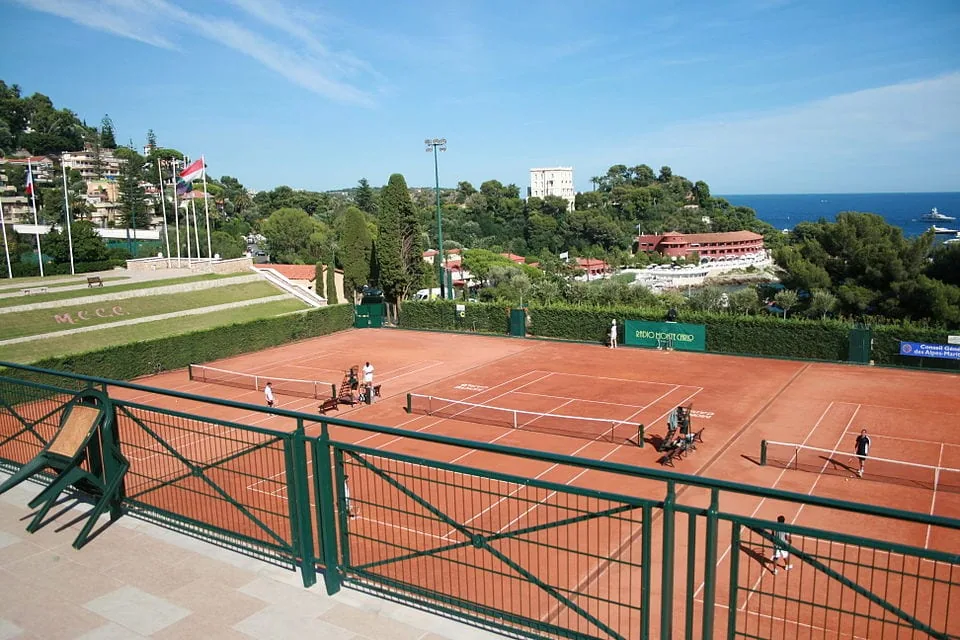
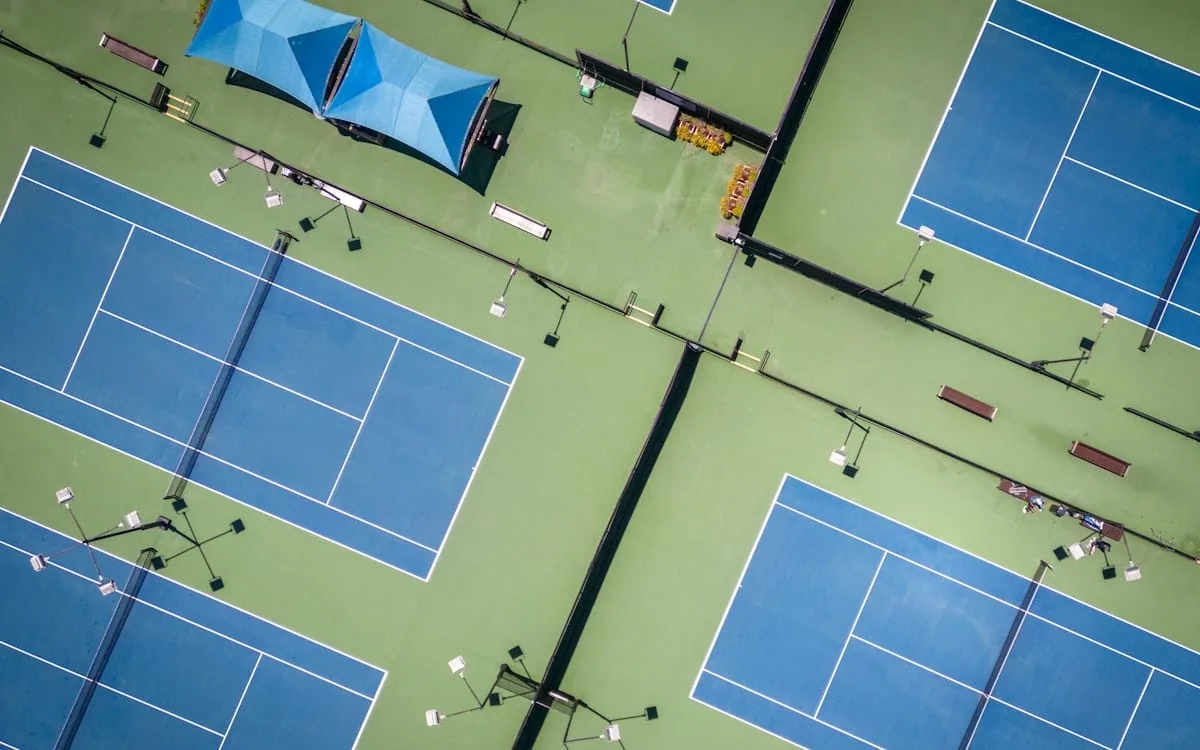
- Dimensions: In contrast, a standard tennis court is much larger, measuring 23.77m long and 8.23m wide for singles matches.
- Open Space: Tennis courts are open, with no walls, which means players must rely solely on their shots to keep the ball in play.
This difference in court design significantly affects gameplay, with padel often being seen as more dynamic and faster-paced due to the smaller playing area and the strategic use of walls.
Equipment Differences
The equipment used in both sports also varies considerably:
Padel Equipment
- Racquets: Padel racquets are solid, perforated paddles that lack strings. They are typically heavier and shorter than tennis racquets, with a more compact design that facilitates quick reactions.
- Balls: Padel balls are similar to tennis balls but have slightly less pressure, resulting in a softer bounce.
Tennis Equipment
- Racquets: Tennis racquets have strings, allowing for more power and spin. They come in various sizes and weights, catering to different playing styles.
- Balls: Tennis balls are pressurized, providing a firmer bounce and requiring more precise control.
These equipment differences contribute to the distinct playing styles and strategies in each sport.
Scoring
The scoring system in both sports is similar but differs in application:
Padel Scoring
Padel follows the same basic point structure as tennis (15, 30, 40, and game), but matches are typically played in best-of-three sets. The game can be faster-paced because of the shorter points and the nature of play off the walls.
Tennis Scoring
Tennis matches can be played in various formats, including best-of-three or best-of-five sets, depending on the tournament. The longer nature of tennis matches can lead to more strategic placements and endurance plays.
Gameplay Differences
The gameplay in padel and tennis shows marked differences:
Padel Gameplay
- Team Play: Padel is primarily played as a doubles game, promoting teamwork and communication. The enclosed walls allow players to execute strategic plays and unexpected shots.
- Faster Pace: The smaller court size leads to quicker exchanges, requiring players to react swiftly and anticipate their opponents’ moves.
Tennis Gameplay
- Singles and Doubles: Tennis can be played in both singles and doubles formats, giving players the option to engage in one-on-one battles or team up.
- Varied Strategies: Tennis gameplay allows for a broader range of strategies, including serve-and-volley, baseline play, and powerful groundstrokes.
The differences in gameplay can influence player preferences and the social dynamics of each sport.
Fitness Demands
Both sports require physical fitness, but the demands are different:
Padel Fitness
Padel is often considered less physically taxing due to the smaller court size and the strategic nature of the game. Players engage in quick bursts of activity, building agility, coordination, and teamwork. It's also easier on the joints, making it a popular choice for those looking to stay active without excessive strain.
Tennis Fitness
Tennis requires more endurance and stamina, especially in longer matches. Players must cover larger distances and engage in powerful movements, making it a more rigorous workout. Tennis athletes often develop strong cardiovascular fitness and muscle endurance due to the nature of the game.
Learning Curve
When it comes to learning each sport, padel tends to be more accessible for beginners:
Padel Learning Curve
As a sport, padel is often easier for newcomers to pick up due to its simpler rules and smaller playing area. Players can quickly understand the game and enjoy rallies, making it a more social and engaging experience.
Tennis Learning Curve
Tennis has a steeper learning curve, as mastering the various strokes and techniques can take time. The larger court and the need for precise shot placement can be daunting for beginners. However, tennis enthusiasts often find satisfaction in the gradual improvement and mastery of skills.
Popularity Trends (Padel Boom)
In recent years, padel has experienced a significant boom, particularly in Europe. Countries like Spain and Italy have seen explosive growth, with thousands of new courts being built and a rising number of players taking up the sport. The simplicity of padel and its social aspects have made it appealing to a broad audience, leading to an increase in public interest and media coverage.
Tennis, while still immensely popular, has seen a more stable growth trajectory. Major tournaments continue to draw large crowds, but the sport faces competition from other activities vying for public attention.
Cost Comparison
The costs associated with playing each sport can vary widely:
Padel Costs
- Court Fees: Padel courts are generally more affordable to rent than tennis courts, making it accessible for more players.
- Equipment: Padel racquets and balls are often less expensive than tennis gear, adding to its appeal for those looking to start playing without a significant financial investment.
Tennis Costs
- Court Fees: Tennis court fees can be higher, especially at private clubs or during peak times.
- Equipment: Quality tennis racquets can be pricey, and players may also need to invest in multiple balls and other accessories.
Overall, padel may be a more budget-friendly option for those starting in racquet sports.
Who Should Choose Which?
Choosing between tennis and padel ultimately depends on personal preferences and lifestyle.
Consider Padel If:
- You prefer a faster-paced, social game that can be picked up quickly.
- You are looking for a lower-impact sport that is easier on the joints.
- You enjoy playing doubles and value teamwork in your sports experience.
Consider Tennis If:
- You want a sport that challenges you physically and mentally over longer matches.
- You enjoy the intricacies of singles play and strategic depth.
- You are looking for a sport with a rich tradition and a wide range of competitive opportunities.
In conclusion, both tennis and padel offer unique experiences and benefits. Whether you choose to dive into the fast-paced world of padel or engage in the classic game of tennis, both sports provide excellent opportunities for fitness, fun, and social interaction.
Last updated: September 2026