Source: Original Article
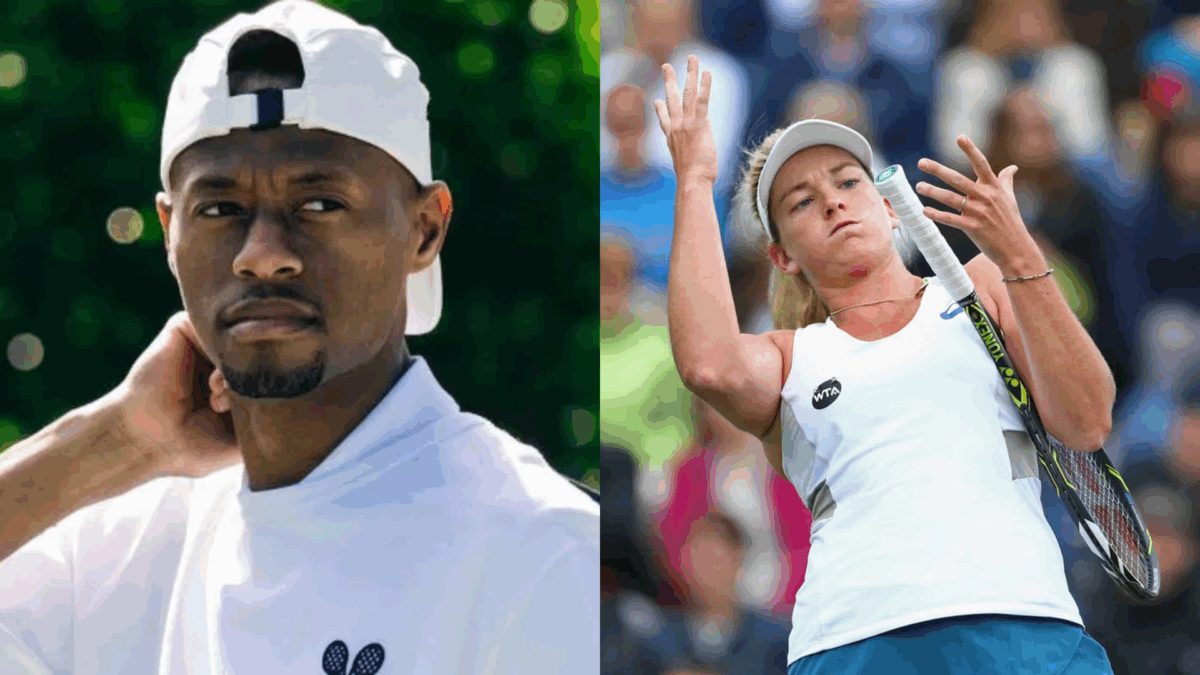
Tennis fans were treated to an unexpected dose of drama during a recent broadcast at Indian Wells, where an on-air exchange between Chris Eubanks and Coco Vandeweghe took a tense turn. The interaction, which many viewers found surprising, highlighted the complexities of player-commentator relationships and the pressures of live sports broadcasting.
As Eubanks prepared for his match, Vandeweghe, who was providing commentary, made a comment that didn’t sit well with the American player. Eubanks, known for his candid personality, rolled his eyes and responded sharply, creating a moment of palpable tension that caught the attention of viewers and commentators alike.
This incident raised eyebrows for several reasons. Firstly, it showcased the fine line between analysis and criticism that commentators must navigate when discussing players' performances. Vandeweghe’s remarks, intended to provide insight, were perceived by Eubanks as overly critical in the heat of the moment.
The exchange serves as a reminder of the pressures players face, not just on the court but also off it, as they deal with the scrutiny of commentators and fans alike. In a sport where emotions run high, moments like these can quickly escalate, leading to unexpected confrontations.
Many fans took to social media to express their opinions on the exchange, with some siding with Eubanks for standing up for himself while others felt that Vandeweghe’s commentary was justified. This divide reflects the broader conversations happening in sports media about the role of commentators and their responsibility in how they discuss players.
As discussions surrounding this incident continue, it raises important questions about the nature of player-commentator interactions and the impact of live broadcasting on athletes’ mental health. Players are constantly under the microscope, and the pressure to perform, combined with external commentary, can create a challenging environment.
Moving forward, both players and commentators may need to find a better way to navigate these interactions. The goal should be to foster a supportive atmosphere while still providing valuable insights to fans. As tennis continues to evolve, so too must the dynamics between players and those who cover them.
As fans eagerly await the next matches at Indian Wells, they will undoubtedly be keeping an eye on how Eubanks and Vandeweghe’s relationship develops, along with the potential for similar on-air moments that keep viewers engaged. The world of tennis is not just about the matches; it’s about the narratives that unfold both on and off the court.


