Source: Original Article
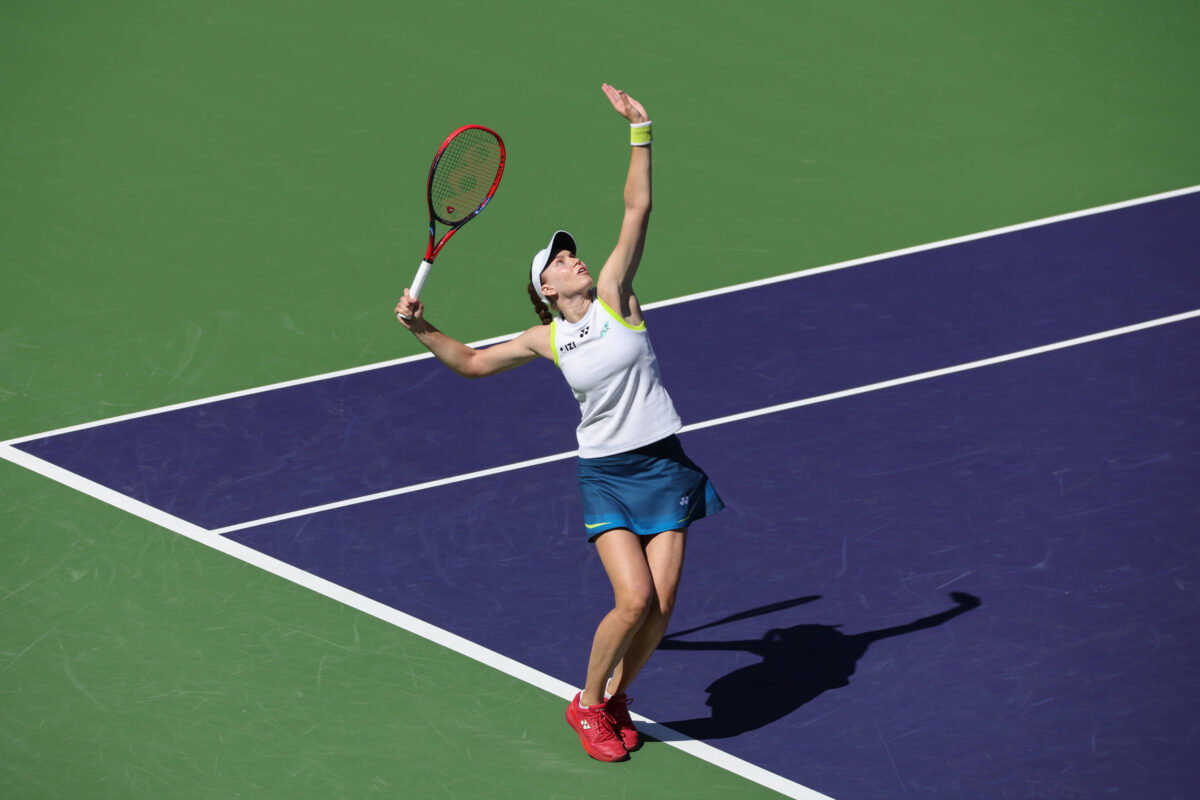
In tennis, the stakes are always high, and so are the emotions. Elena Rybakina recently found herself at the center of a heated controversy during her match at Indian Wells, when a crucial umpire call was reversed, much to the dismay of the crowd.
The incident unfolded at a pivotal moment in the match, where Rybakina appeared to have gained an advantage. However, the umpire’s decision to overturn the call left many spectators in shock. As Rybakina continued to play, the crowd erupted in boos, expressing their frustration over the perceived injustice.
Rybakina, who has shown remarkable poise throughout her career, faced the backlash with grace, but the incident has sparked discussions about the challenges umpires face in making split-second decisions. “It’s difficult for them too,” she remarked in the post-match press conference. “But in such important moments, we all want to feel like the right call is made.”
This incident reignited debates about the consistency and accuracy of officiating in tennis. Fans and pundits took to social media to voice their opinions, with many calling for enhanced training for umpires and the potential use of technology to assist in decision-making.
As the tournament progresses, the tennis community will undoubtedly continue to discuss the implications of this incident. Rybakina’s ability to handle the situation with aplomb speaks volumes about her character and determination to focus on her game, despite the distractions around her.
Ultimately, this controversy serves as a reminder of the tightrope that players walk between their performance and the officiating that governs the sport. With tensions running high, it’s essential for all involved in tennis to strive for fairness and clarity in a game that thrives on precision.
