Source: Original Article
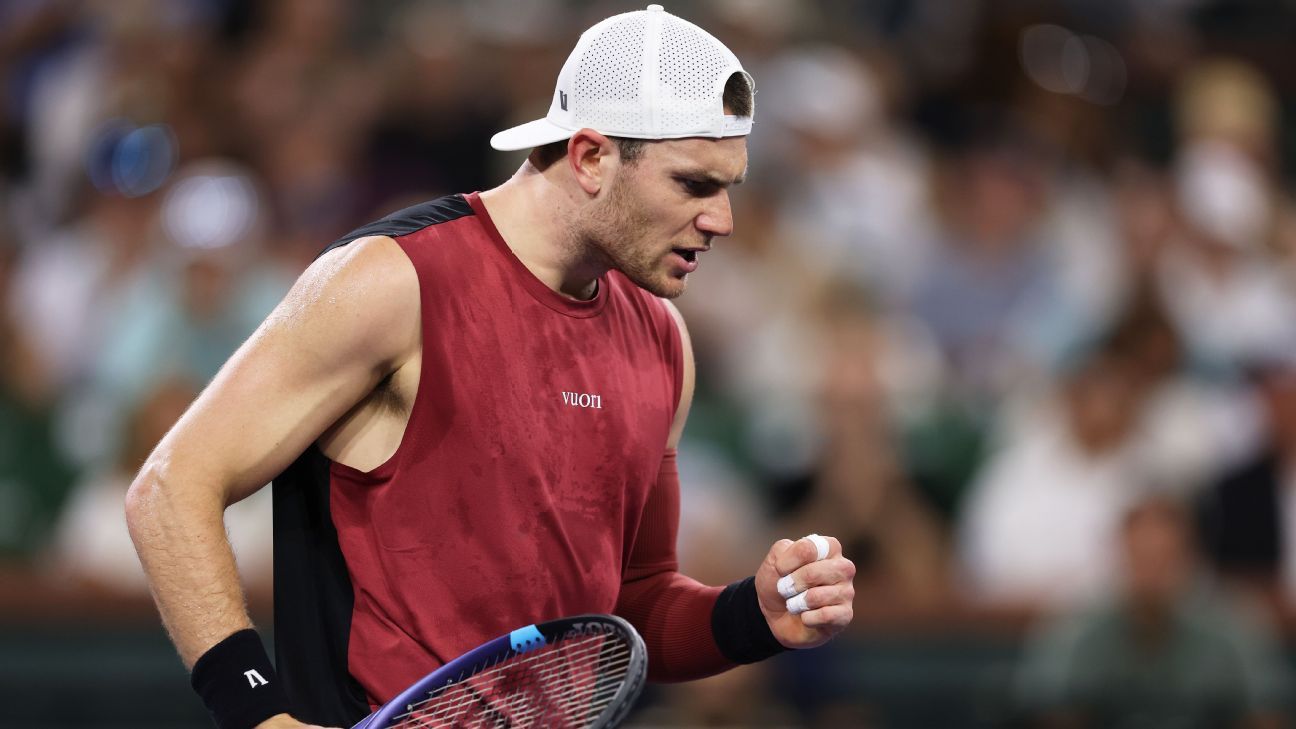
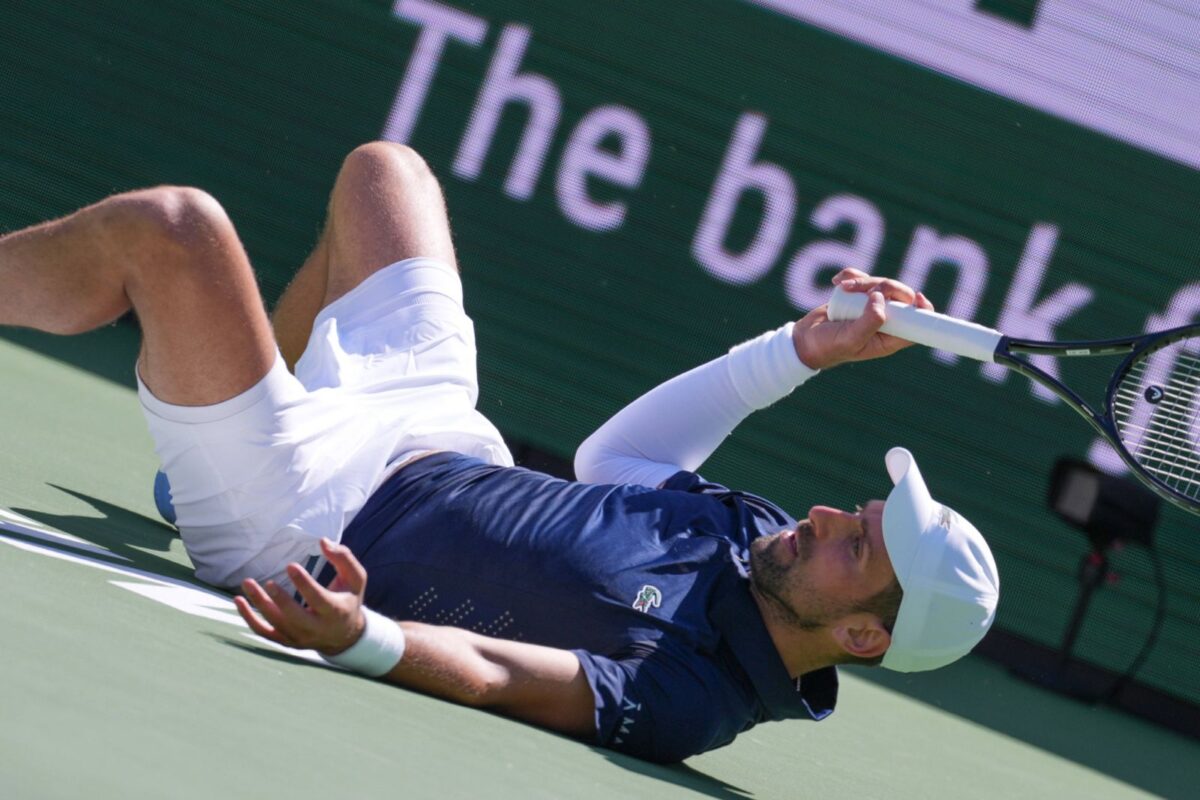
In the high-stakes world of professional tennis, even the most accomplished players have moments of vulnerability. Novak Djokovic, a multiple Grand Slam champion, recently admitted that he ran out of gas during his match against rising star Jack Draper at Indian Wells, offering fans a rare glimpse into the physical demands of the sport.
Djokovic, known for his remarkable fitness and mental fortitude, shared his thoughts following the match, acknowledging that he struggled to maintain his energy levels against Draper. "I felt like I was fighting against the tide. I just ran out of gas at crucial moments, and it cost me the match," he explained.
This admission is significant, as it highlights the grueling nature of the ATP tour, where players are constantly pushing their physical limits. Factors such as travel schedules, training regimens, and the mental strain of competition can all contribute to fatigue. Djokovic’s honesty resonates with fans who often view elite athletes as invincible.
His performance against Draper showcased not only the young British player’s talent but also the fierce competitiveness that defines the ATP tour. As Draper secured a memorable victory, Djokovic’s candid reflection serves as a reminder that even the best can have off days.
Fans took to social media to express their support for Djokovic, many praising his transparency and willingness to share his struggles. In a sport where mental and physical health are paramount, his comments emphasize the importance of acknowledging fatigue and the need for adequate recovery.
As Djokovic prepares for upcoming tournaments, this experience may serve as a pivotal moment in his career, prompting him to reassess his training and recovery strategies. For fans, it highlights the unpredictable nature of sports and the reality that no player is immune to challenges.
As the season progresses, audiences will be eager to see how Djokovic bounces back from this experience and whether it influences his approach to the demanding schedule ahead. His candidness about vulnerability in a sport that often idolizes strength sets a positive example for current and aspiring athletes alike.