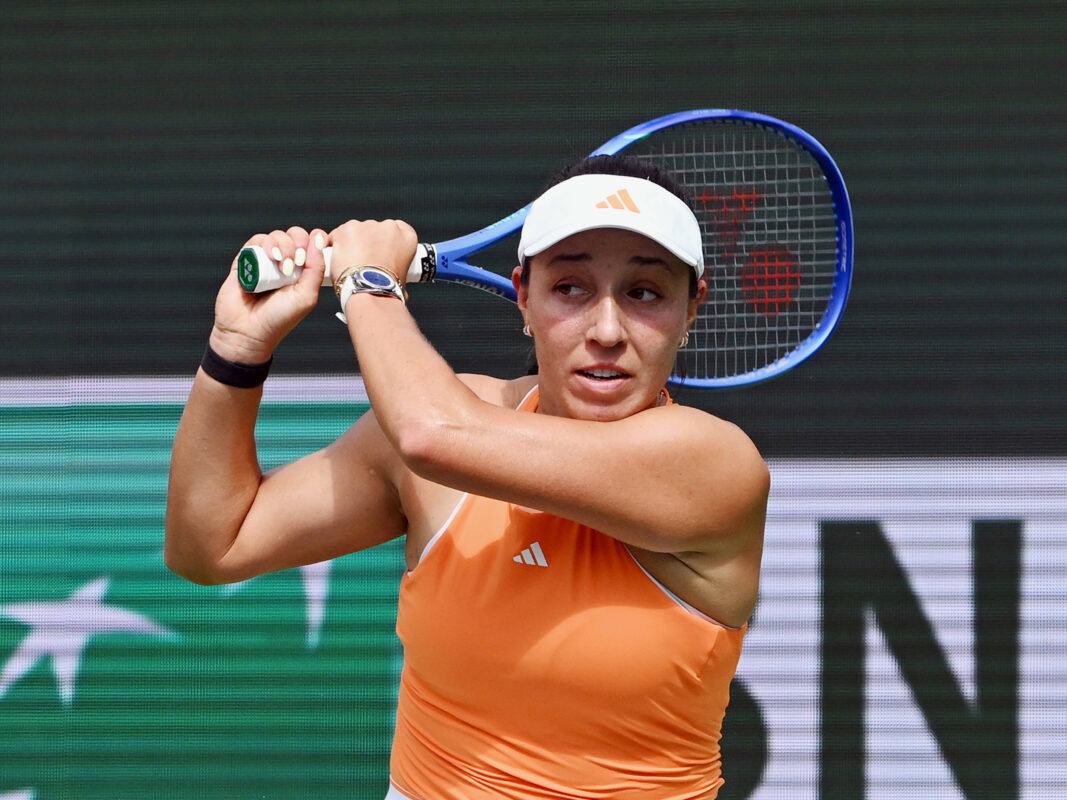
Source: Tennis World USA
In a bold and controversial statement, American tennis player Sachia Vickery has taken aim at her fellow WTA players, calling them 'super fake and two-faced' in an exclusive interview that has sent shockwaves through the women's tennis community. Vickery, known for her outspoken nature, didn't hold back when discussing the politics and pleasantries often found on the tour.
"It’s like a big high school," Vickery remarked, her eyes flashing with conviction. "Everyone pretends to be friends, but behind closed doors, it’s a different story. The competition breeds jealousy, and I see so many players putting on a show for the cameras. It’s exhausting."
The reaction to her comments has been swift and polarized. Some fans applaud Vickery for her honesty, while others accuse her of stirring the pot unnecessarily. Social media erupted with players and fans weighing in, with some backing Vickery’s claims and others defending their favorite stars against her allegations.
But what prompted Vickery to share these strong opinions? In recent months, several incidents on the tour have highlighted the cutthroat nature of professional tennis, from public feuds to whispered alliances. Vickery's comments come at a time when the WTA is facing increased scrutiny over player relations and the mental health challenges many athletes experience.
Her revelation has reignited discussions about the culture within women's tennis, with many wondering if the surface-level camaraderie is merely a facade. "We need to be real with each other, not just for ourselves but for the future of the sport," Vickery added emphatically.
As the tennis world digests Vickery's explosive remarks, it’s clear that the dynamics among players are more complex than they appear. Whether her comments will lead to any significant changes within the WTA remains to be seen, but one thing is certain: Sachia Vickery has sparked a necessary conversation about authenticity and honesty in a sport often shrouded in glamor and rivalry.
In an industry where image is everything, her willingness to speak the truth might just be the wake-up call that women’s tennis needs.