Source: Original Article
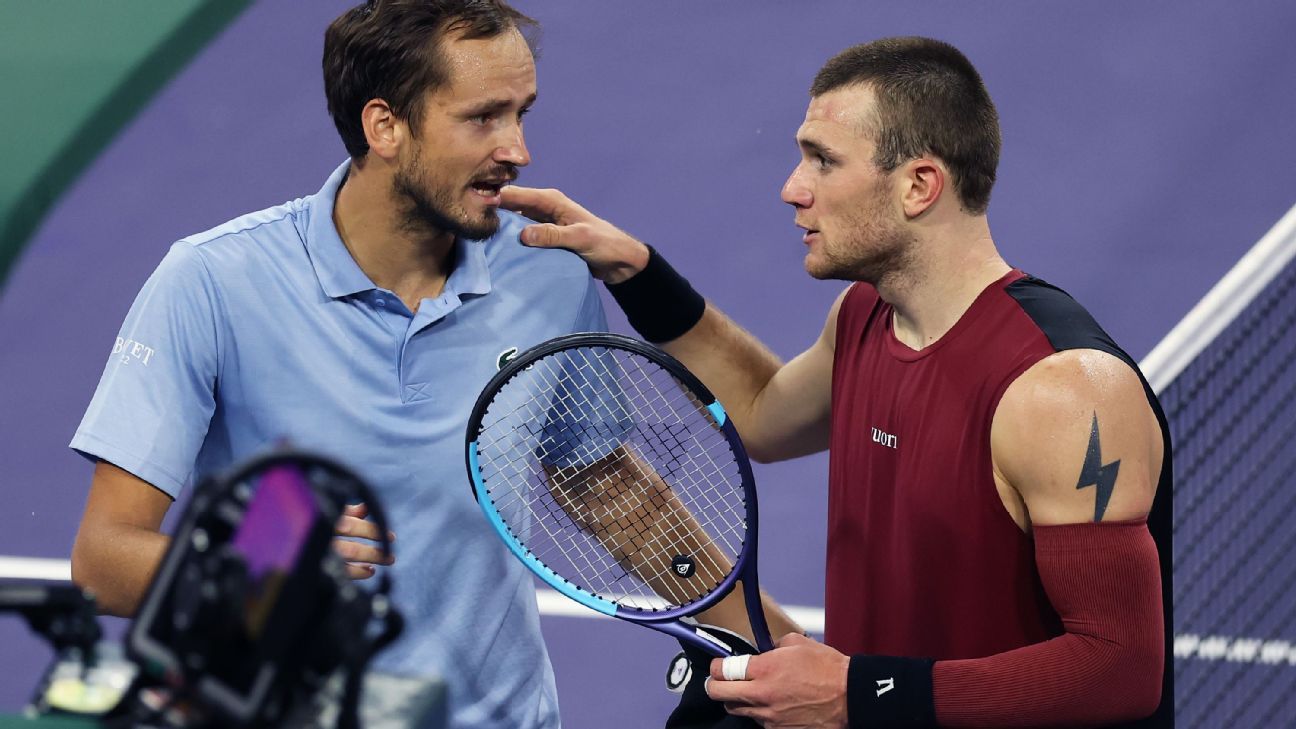
In the world of professional tennis, the line between fair play and controversy can often be blurred, and that was certainly the case during Jack Draper’s recent match at Indian Wells. A controversial hindrance call during the match not only impacted the outcome but also ignited a heated debate among players, fans, and commentators regarding officiating and the rules of the game.
The incident occurred at a critical moment, with Draper in a close contest against his opponent. As tensions rose, the chair umpire issued a hindrance call that many observers believed to be unwarranted. Draper, visibly frustrated, expressed his disbelief at the decision, leading to an outpouring of opinions from fans on social media who questioned the officiating.
This situation has reignited discussions about the consistency of officiating in high-stakes matches. With so much on the line, players often feel that every point is crucial, and any perceived injustice can have significant ramifications. The controversy surrounding Draper’s match raises important questions about how officiating standards are maintained and the potential for bias or error in judgment.
As players navigate the pressures of competition, they must also contend with the sometimes unpredictable nature of officiating. The emotional toll of such incidents can be immense, as players feel the weight of not only their performance but also the decisions made by officials that can alter the course of a match.
In the aftermath of this incident, discussions about the need for clearer communication between players and officials have emerged. As the tennis community reflects on this controversial moment, it serves as a reminder of the complexities of the sport and the importance of maintaining fairness and transparency.
Draper’s experience at Indian Wells is not just an isolated incident; it speaks to the broader challenges faced by players as they strive for success in an environment where every decision can influence their journey. As the tournament continues, fans and players alike will be watching closely to see how officiating and rules are upheld in future matches, hoping for a more consistent and fair playing field for all.