Source: Original Article
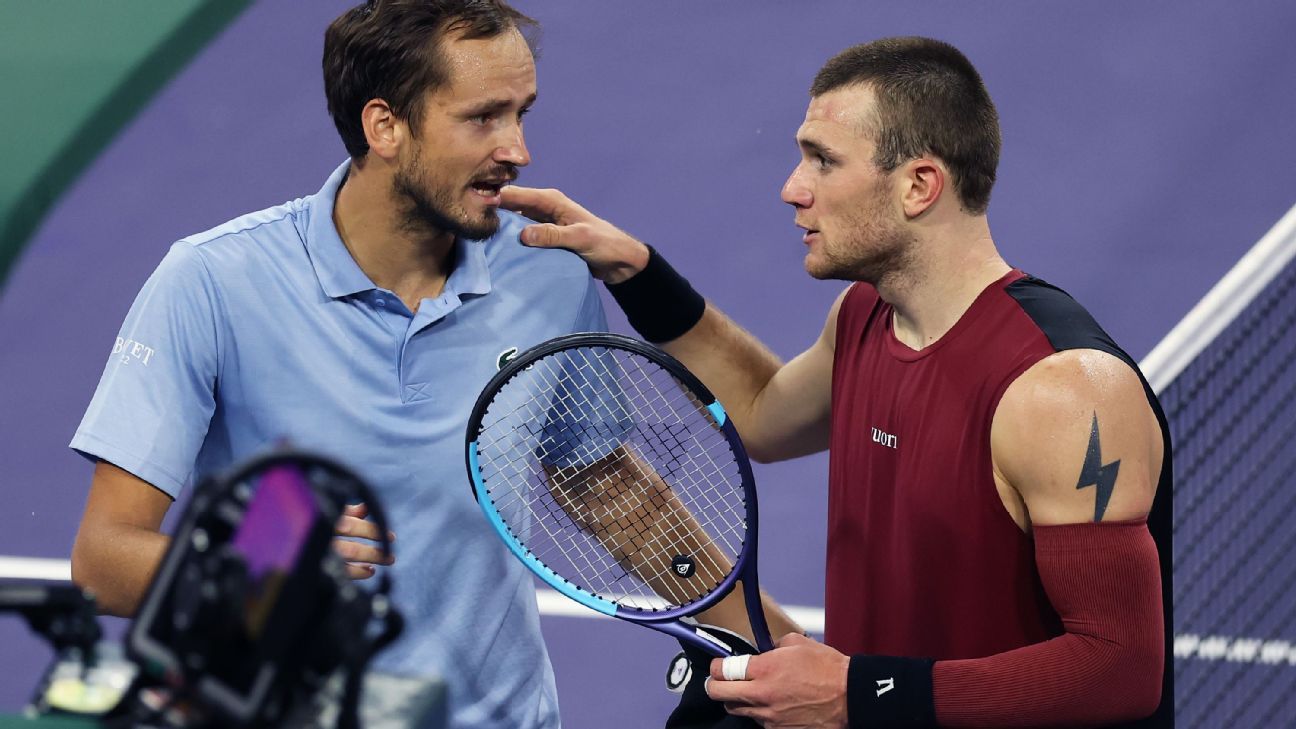
In the realm of professional tennis, high-pressure situations often lead to intense emotions, and for Jack Draper, a recent match at Indian Wells turned into a spotlight for controversy. Following a contentious hindrance call that many believed was unjust, Draper took the opportunity to share his thoughts and reflect on the complexities of officiating in the sport.
The hindrance call came at a pivotal moment in the match, leaving Draper visibly frustrated and questioning the decision made by the chair umpire. In a post-match interview, he spoke candidly about the emotional toll such incidents can take on players, especially when the stakes are high. “It’s tough to keep your focus when you feel like the rules aren’t being applied consistently,” he remarked, highlighting the mental challenges players face when navigating officiating decisions.
Draper’s comments resonate with many athletes who have experienced the pressures of competition compounded by the unpredictability of officiating. The emotional rollercoaster of professional sports can make it challenging for players to maintain their composure, especially when they feel that their hard work is undermined by a controversial call.
This incident has sparked discussions about the need for improved communication between players and officials, as well as the importance of consistency in officiating standards. As the tennis community reflects on Draper’s experience, it serves as a reminder that the sport is not just about skill; it’s also about the mental fortitude required to withstand the pressures of competition.
As Draper moves forward in his career, this experience will undoubtedly shape his approach to future matches. Learning to navigate the complexities of officiating while maintaining focus on his game will be crucial for his development as a player. His willingness to address the issue openly may inspire conversations about how to improve the sport for both players and fans alike.
Overall, Draper’s post-match reaction highlights the often-overlooked emotional aspects of professional tennis, reminding us that while the game is about athleticism and skill, it’s also about the mental resilience required to face the challenges that come with it. As the season progresses, fans and players will be watching closely to see how these discussions evolve and what impact they may have on the future of officiating in tennis.